Domain:
Oil and Gas
Category:
Web Design
Redesigned a high-friction enterprise workspace for geoscience operations teams to accelerate cloud adoption, reduce cognitive load, and improve day-to-day usability.
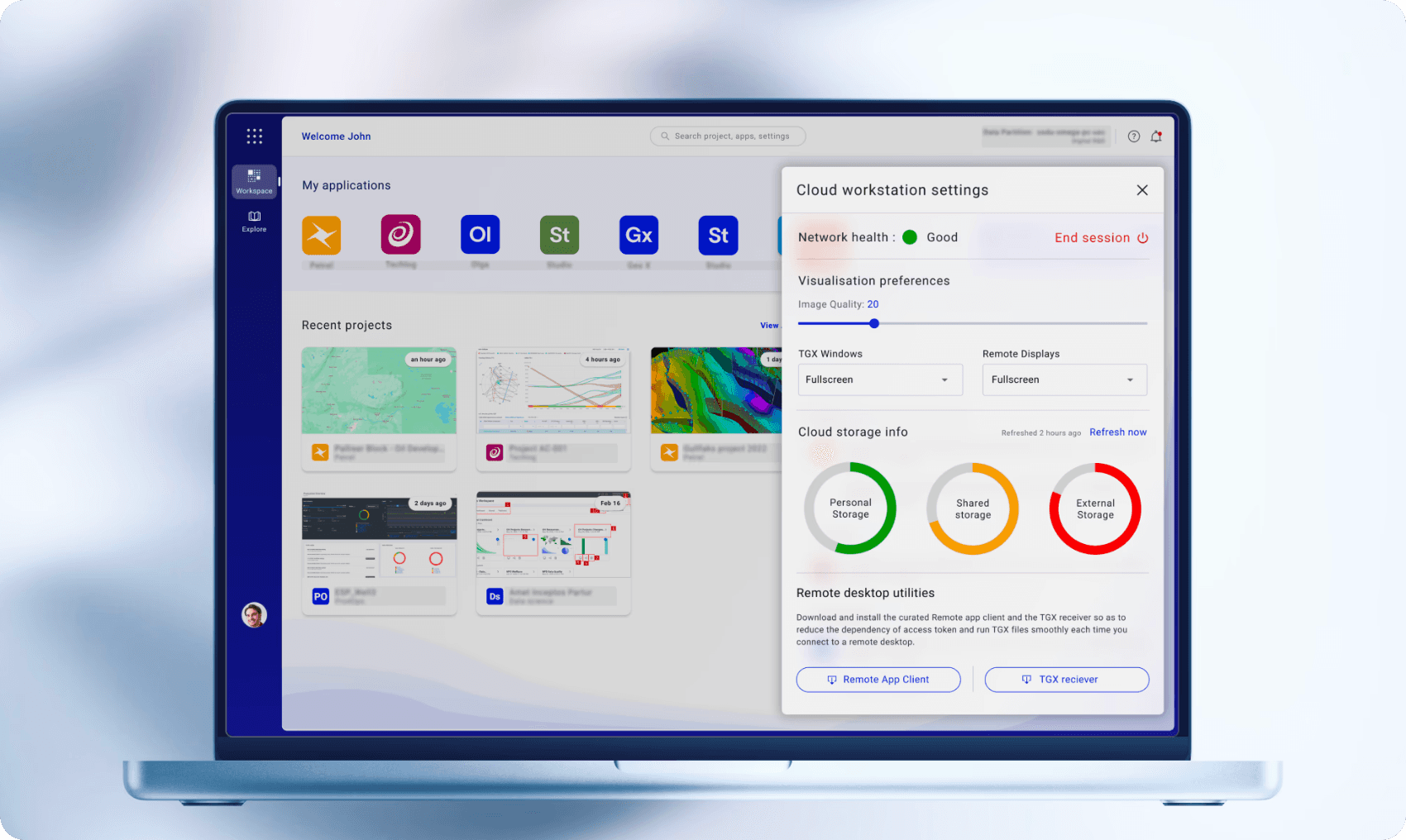
My role: Led UX strategy, workflow redesign, information hierarchy, and validation in collaboration with PM and engineering.
At a glance
Role: Senior Product Designer
Domain: Enterprise SaaS (Geoscience / Oil & Gas)
Timeline: 24 months
Team: Product, Engineering, Domain SMEs
Scope: UX strategy, workflow redesign, IA, usability validation
Problem
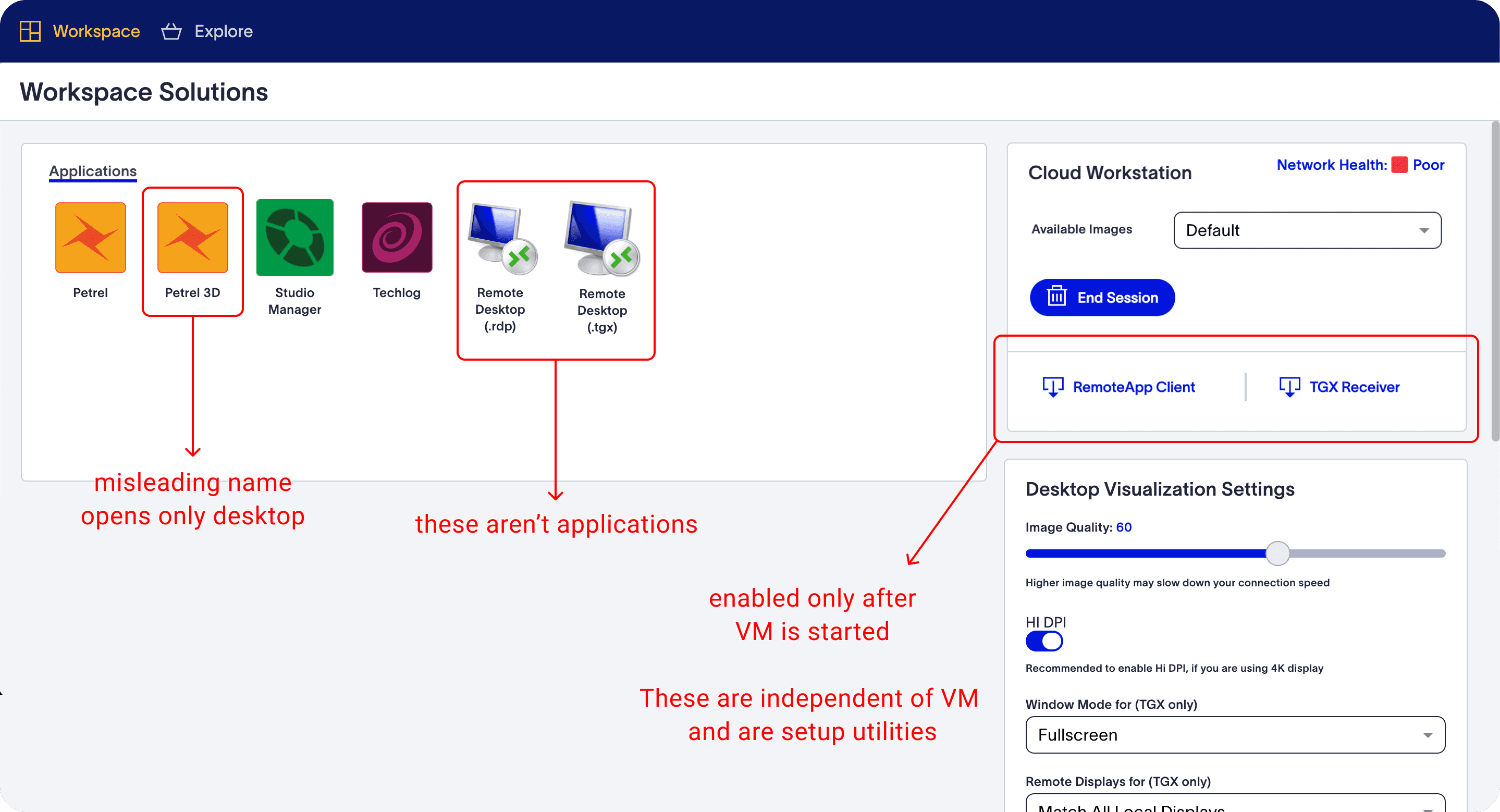
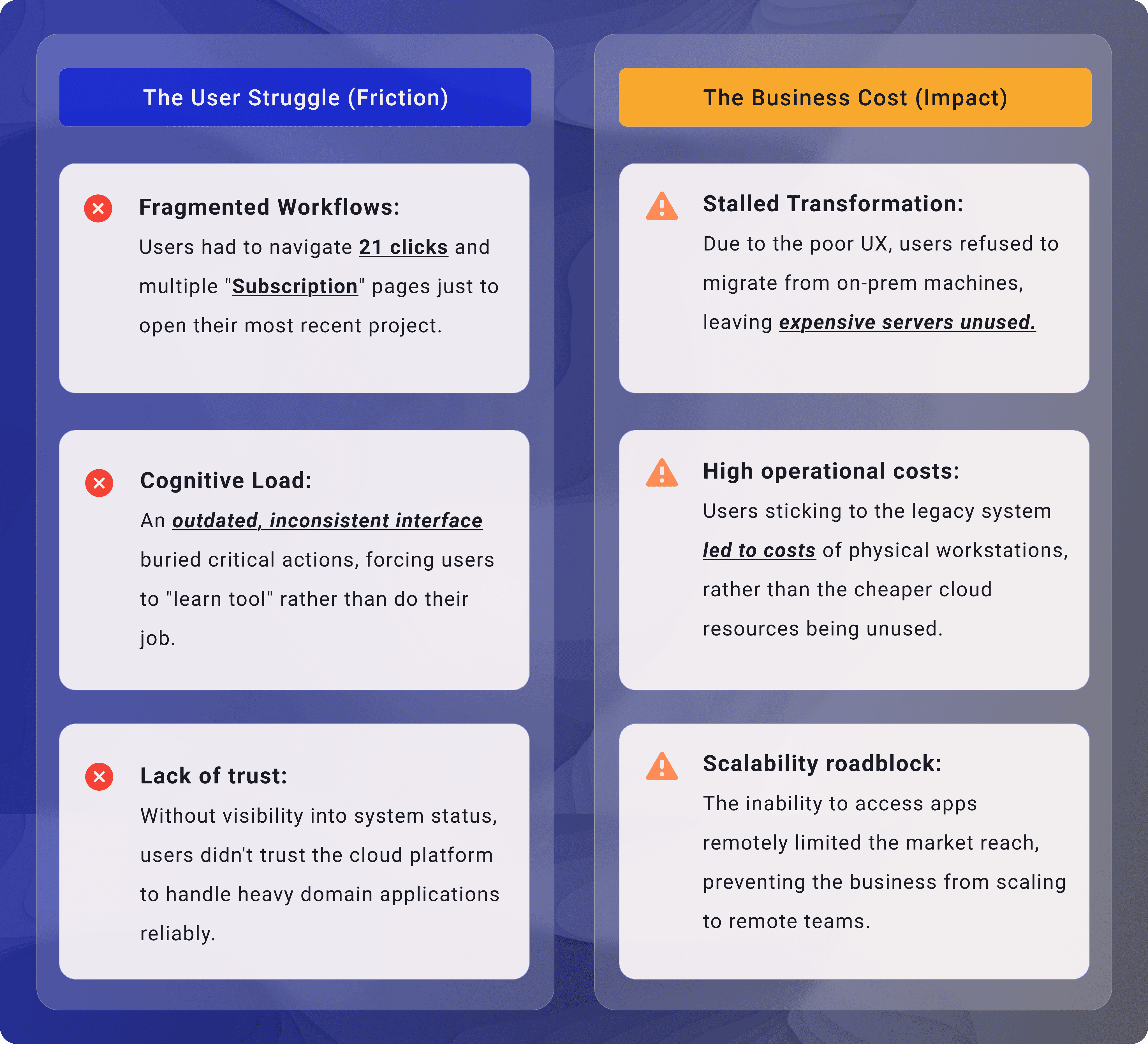
Cloud migration was stalled because core tasks required a complex, high-friction workflow (~21 clicks), reducing discoverability and daily usage.
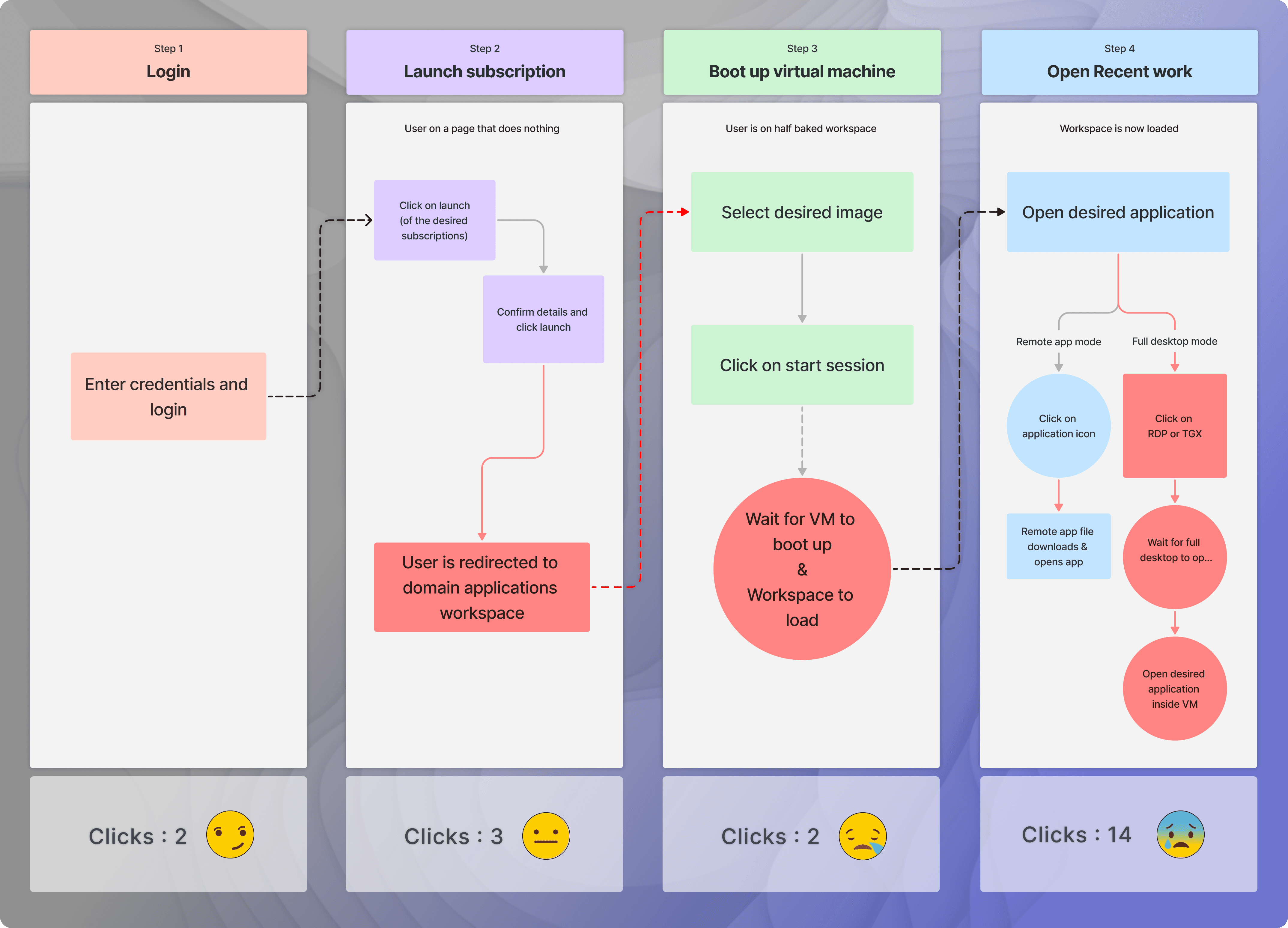
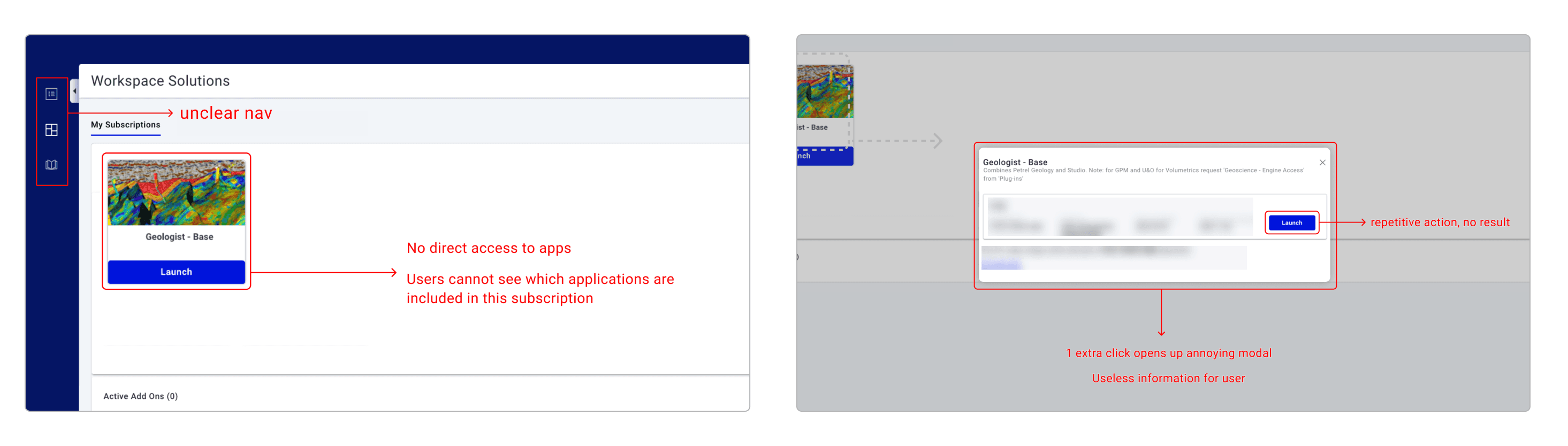
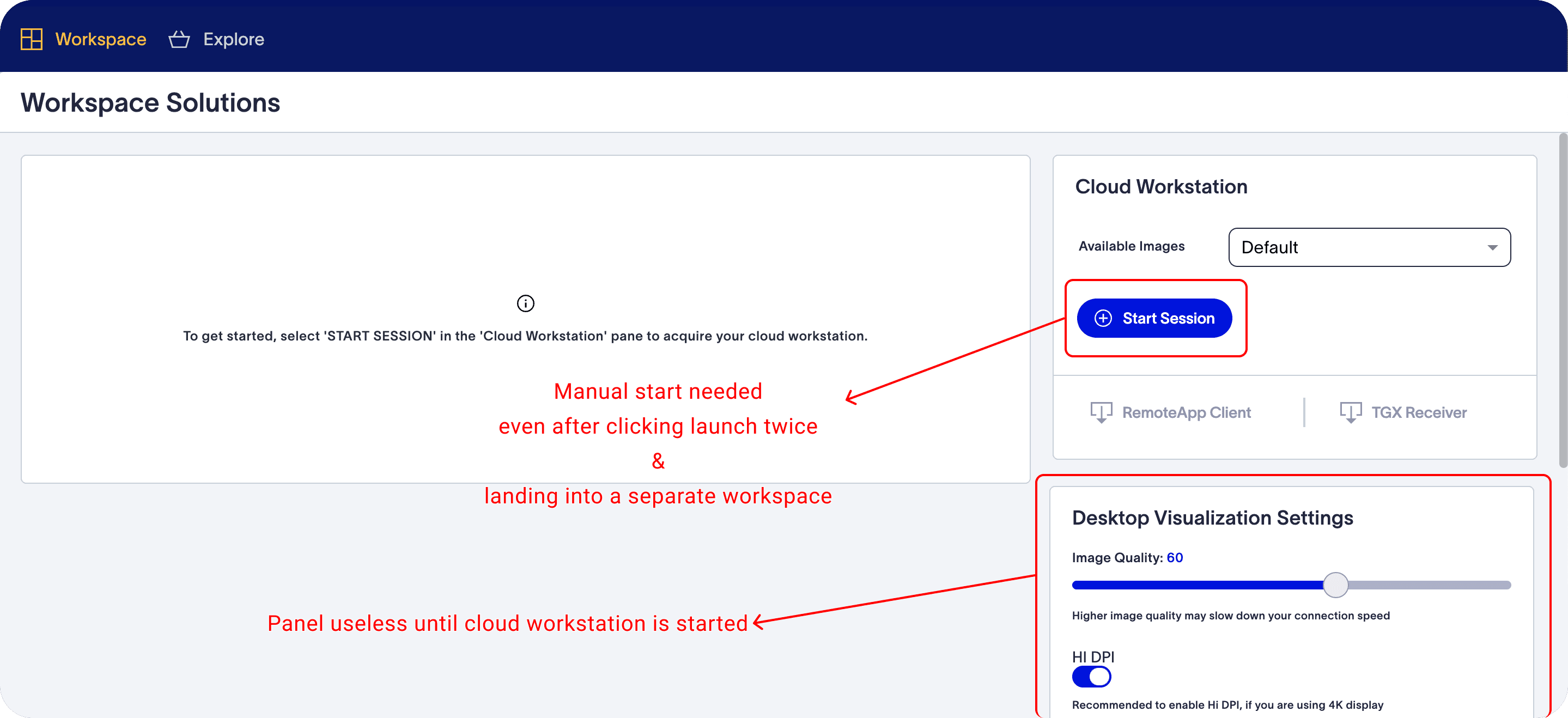
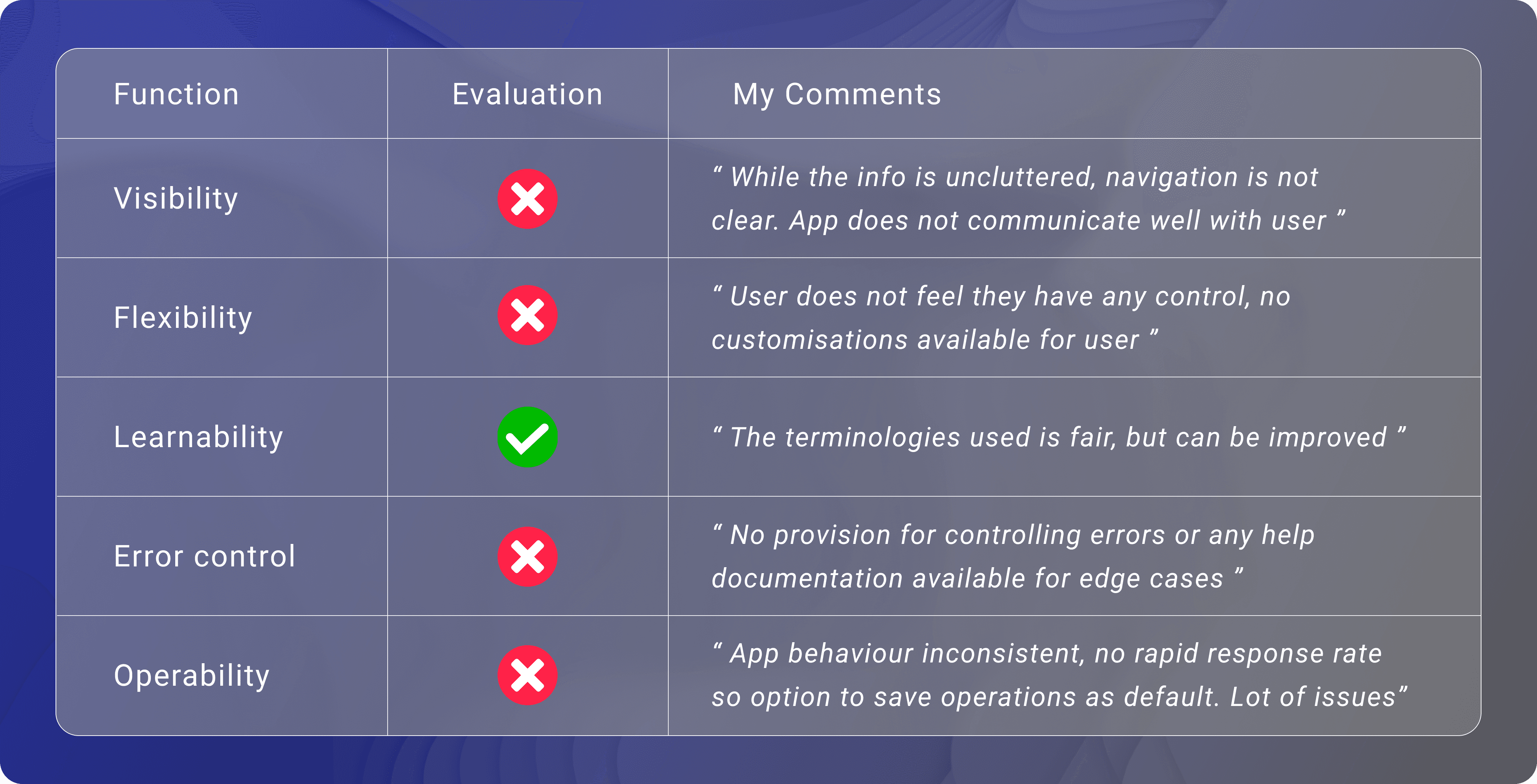
Issues in the existing interface
Outcome
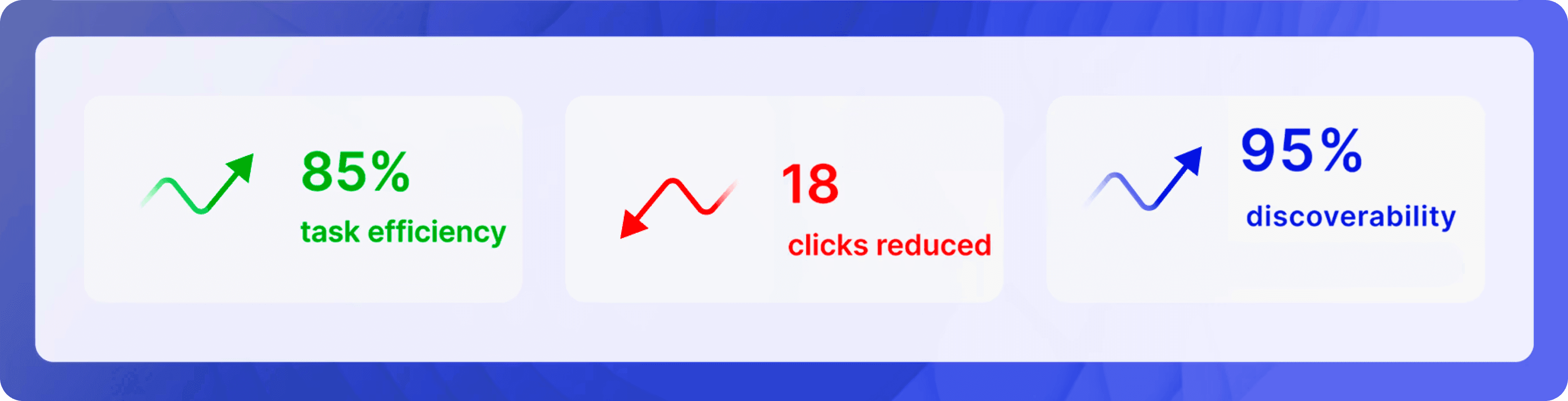
+67% increase in active product adoption
+80% increase in user satisfaction
Within 6 months, our team onboarded ~3,000 new customers
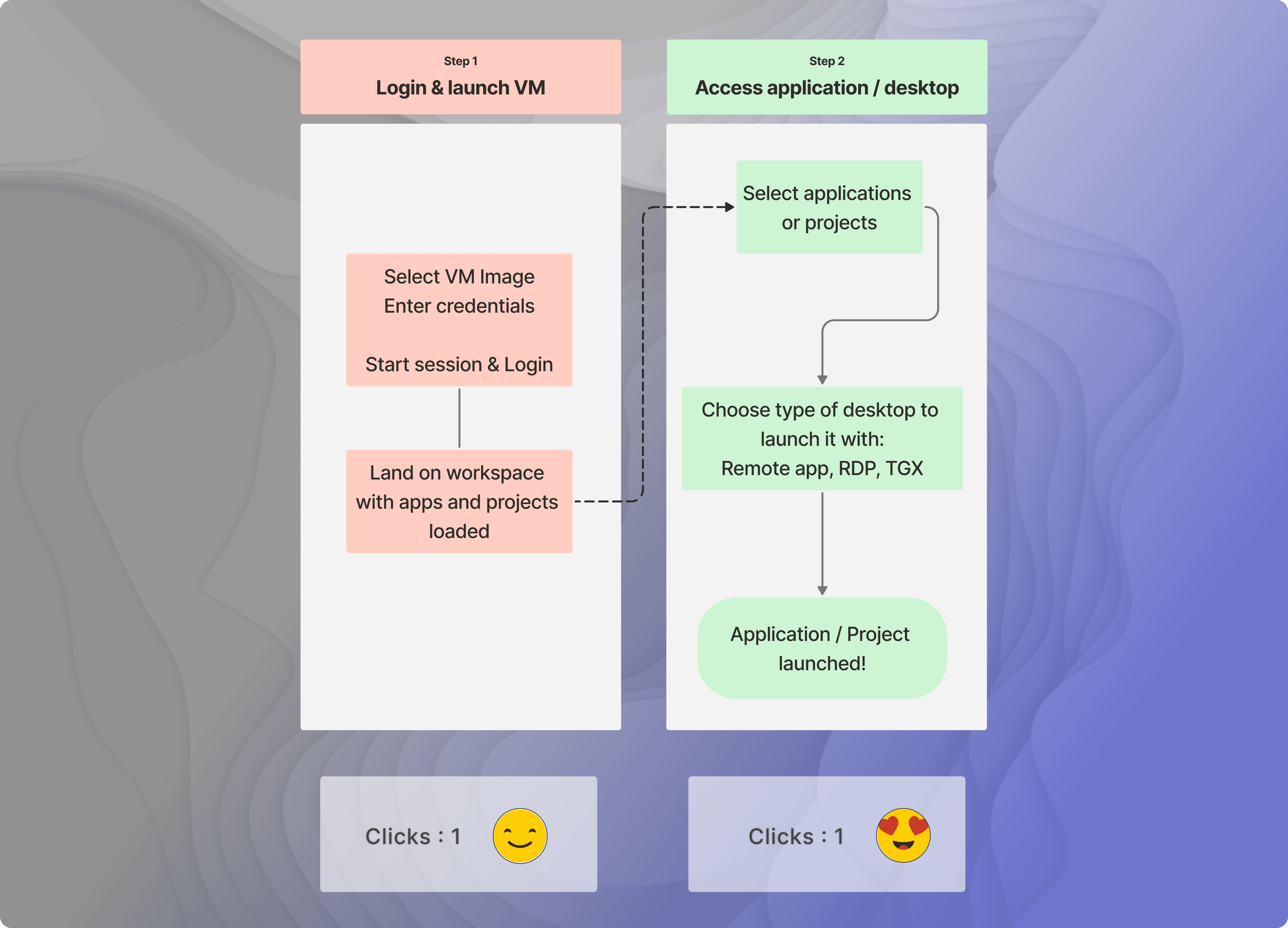
21 → ~3 clicks in core workflow execution
My Contributions
UX strategy
Workflow simplification
Screen redesign
Validation
Business Context
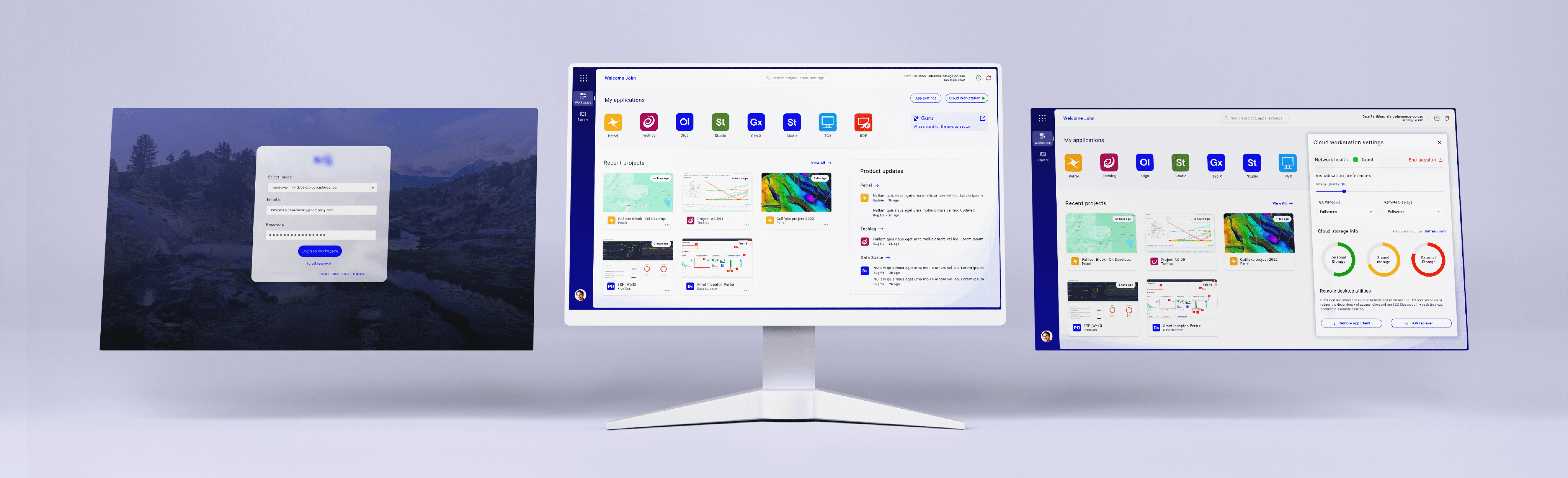
The platform was a mission-critical enterprise workspace used by geoscience operations teams for daily decisions, app access, and project workflows.
Despite business push for cloud adoption, usage remained flat due to complexity in core user journeys.
Core challenge : A High-Friction Barrier to Cloud Migration
The legacy experience created high cognitive load and unnecessary navigation depth.
Even basic actions required multiple context switches, making the system feel slow and difficult to use.
Constraints
The redesign had to work within legacy technical dependencies, role-based complexity, and enterprise reliability needs.
We needed measurable usability gains without disrupting mission-critical workflows.
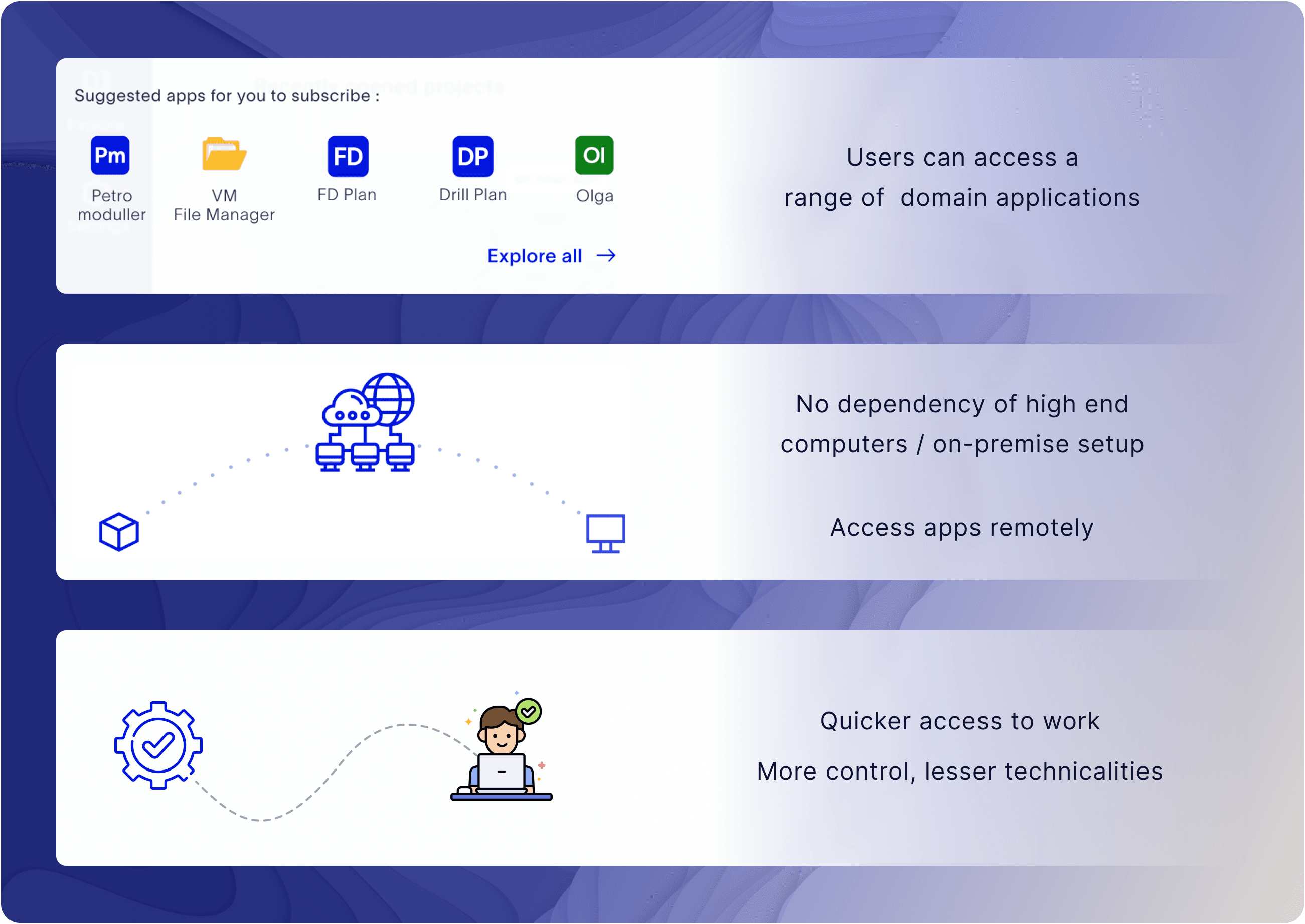
What happens if we solve these problems?
Approach
Mapped high-frequency journeys, identified major friction points, and prioritized interventions by expected user and business impact.
We believe
The VM start along with user login will reduce time to access work
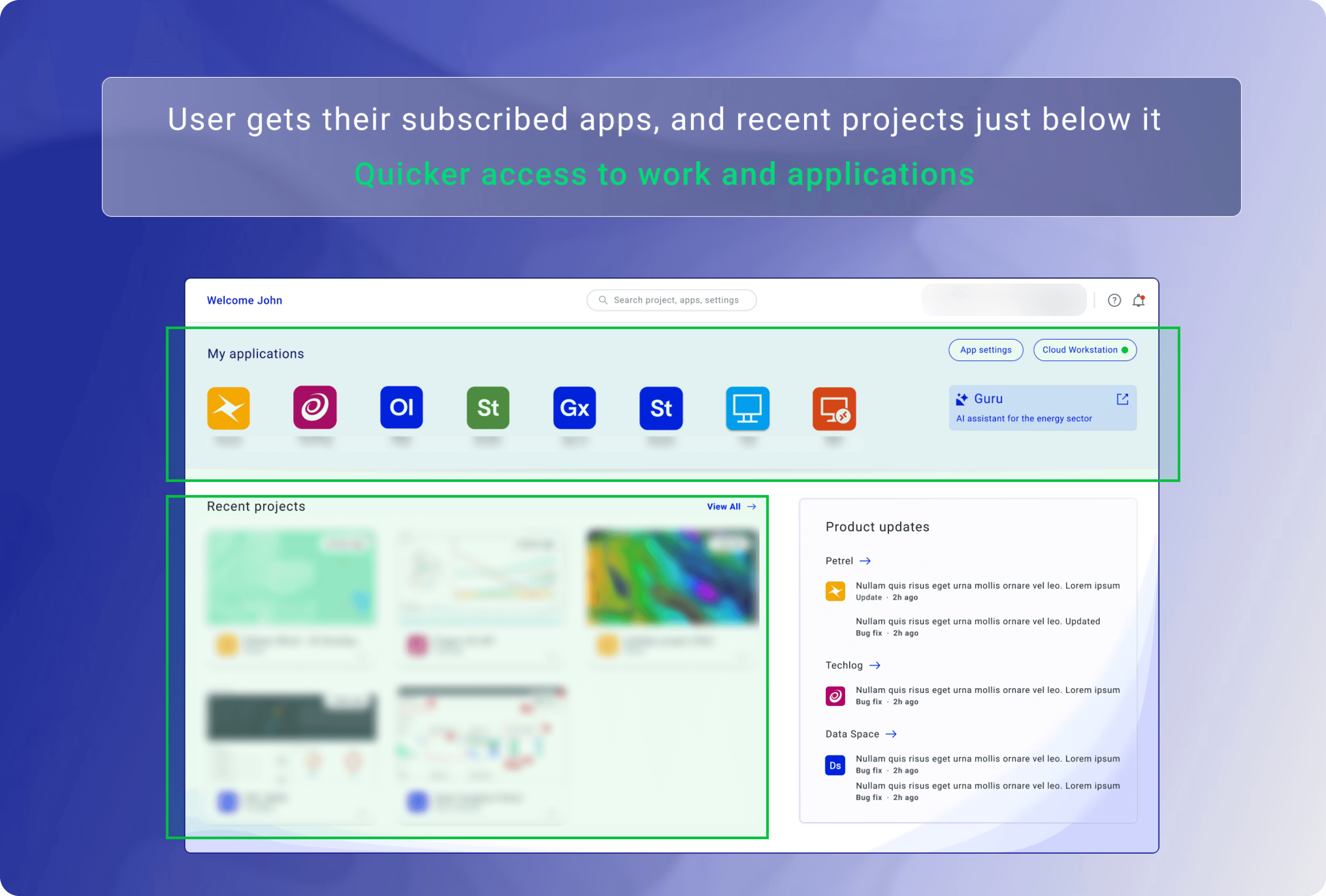
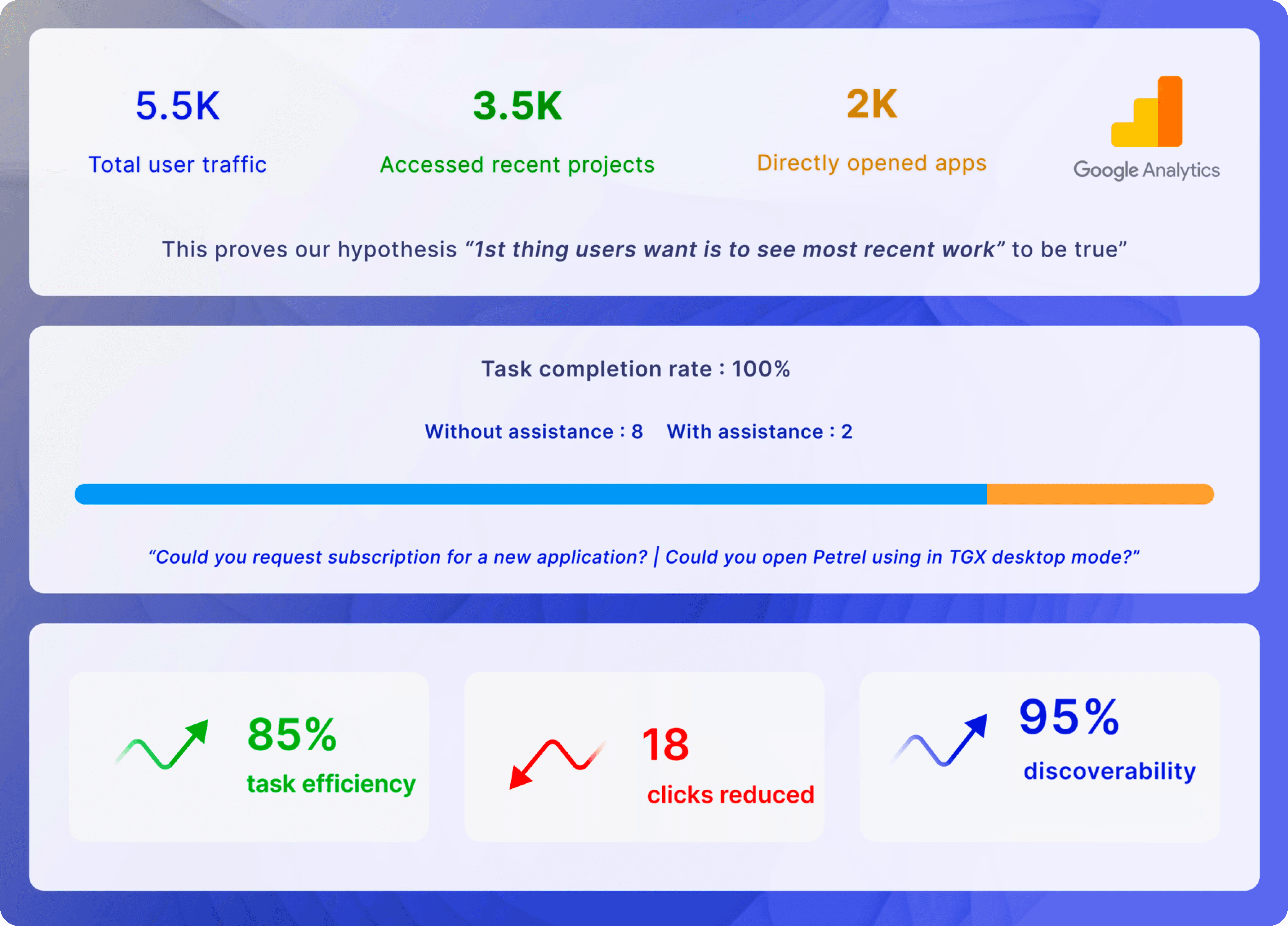
The 1st thing users want to see after landing is their most recent work, and apps
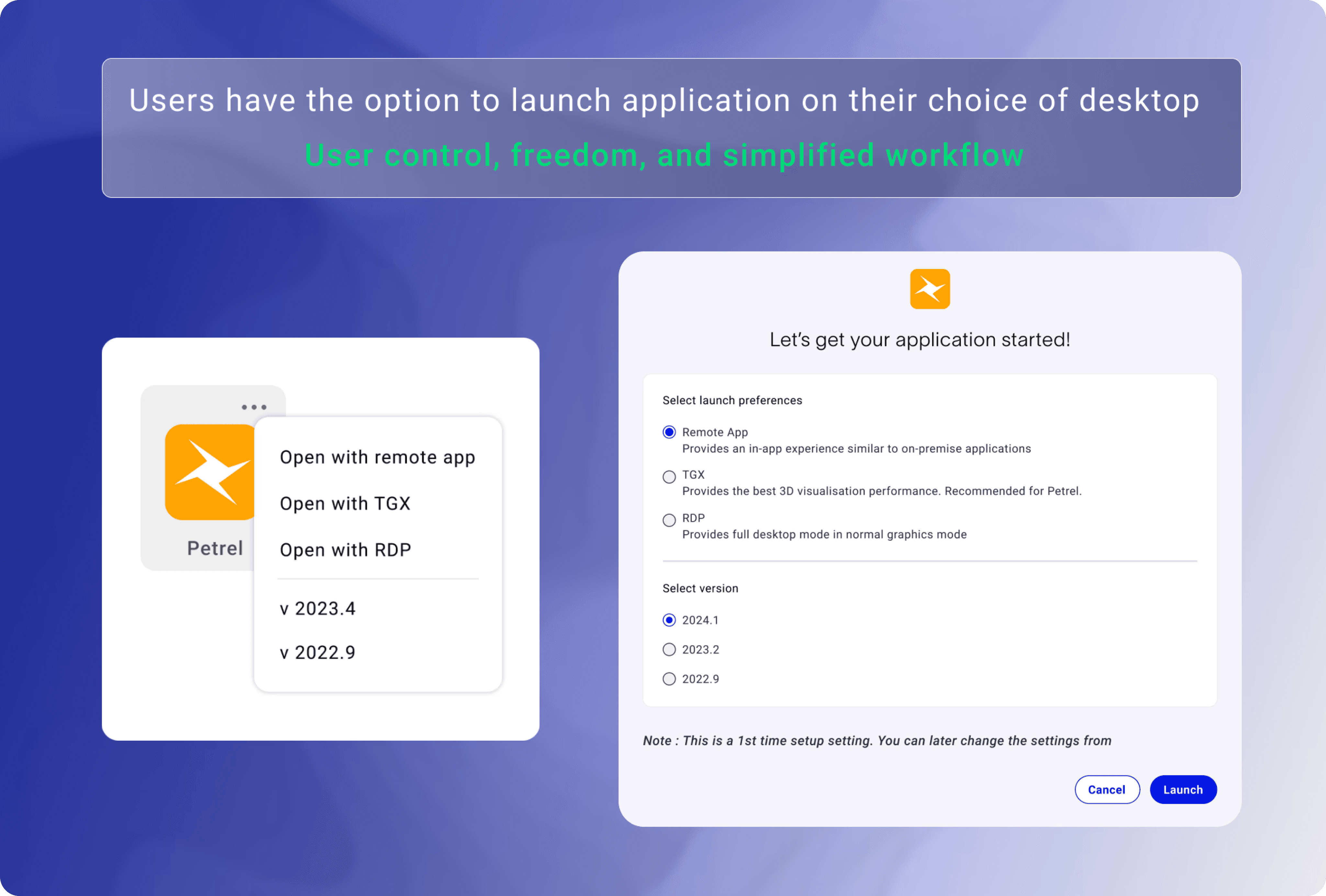
Providing users the control to launch application will simplify their main workflow
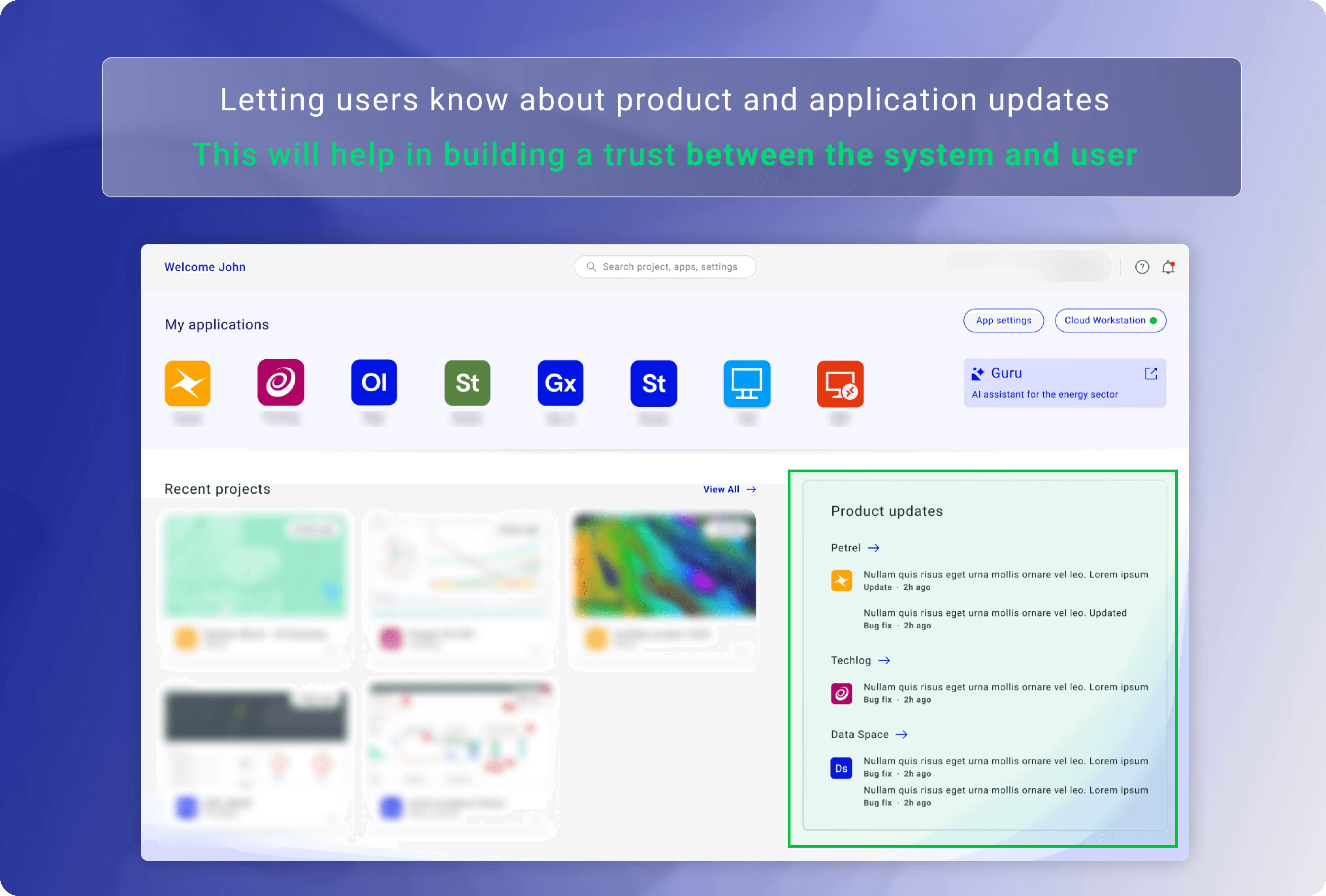
Letting users know about product and application updates will help in building trust
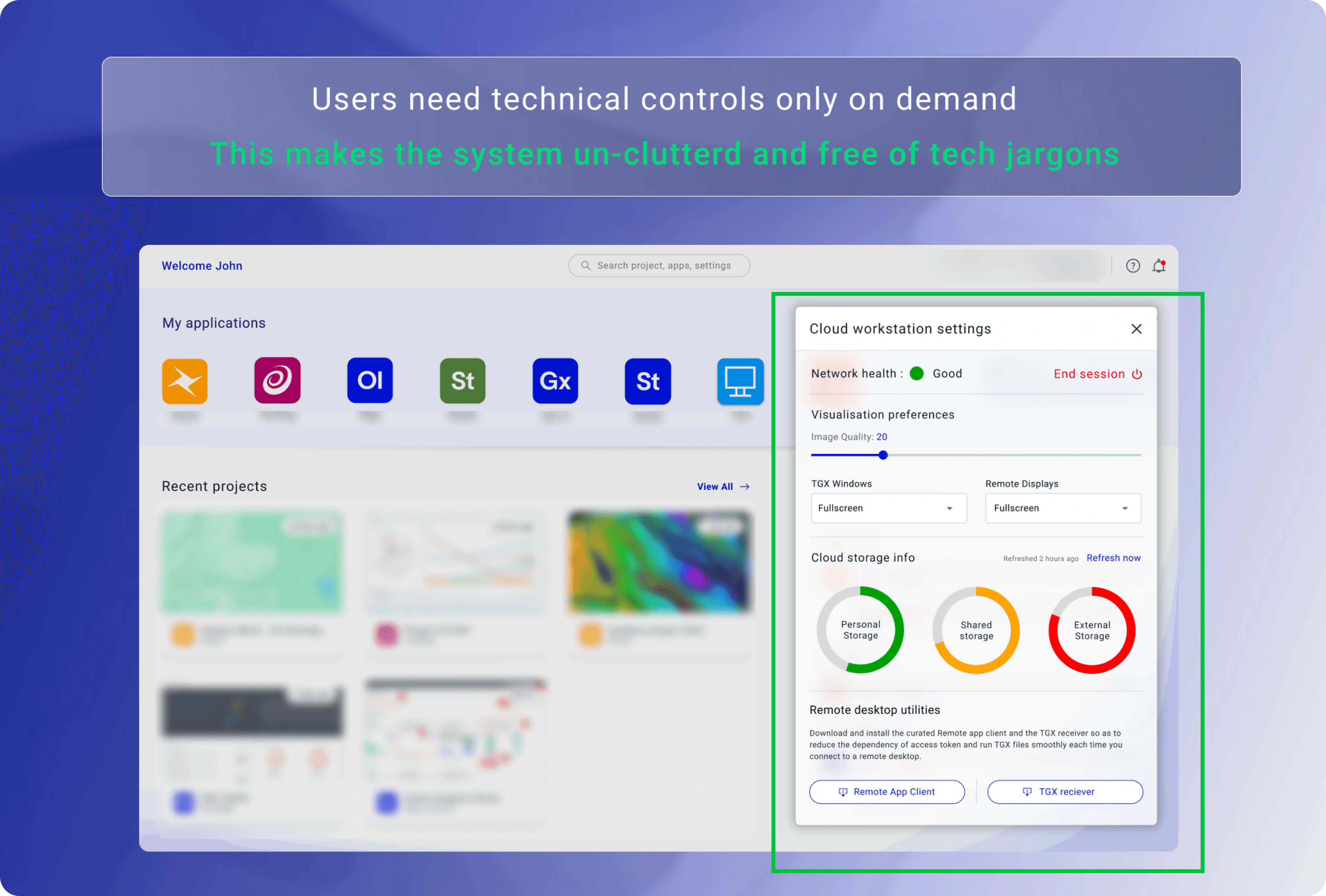
Users need technical control on demand and not always
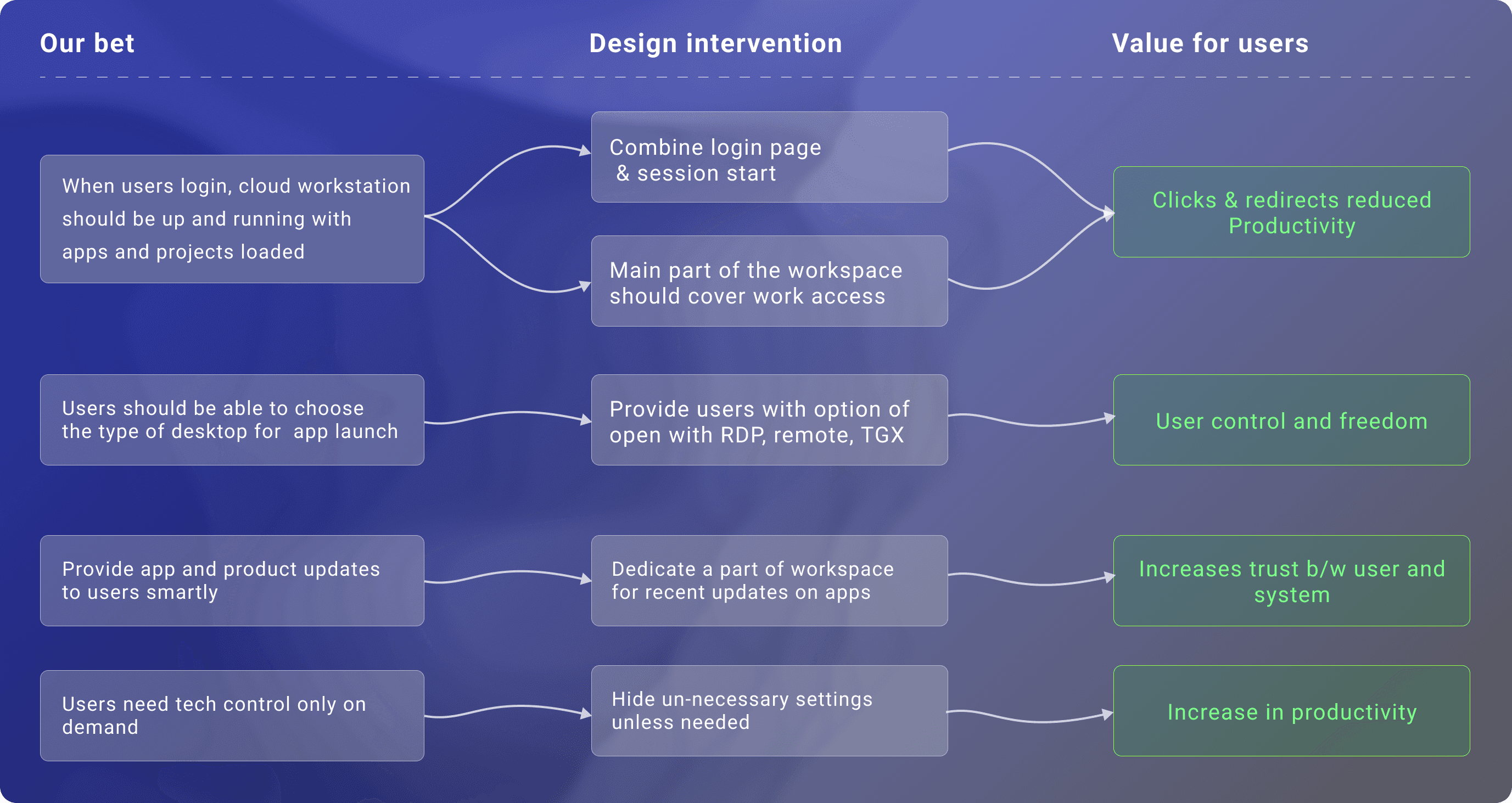
The design direction focused on faster first actions, clearer hierarchy, and lower interaction overhead.
Interaction with Users:
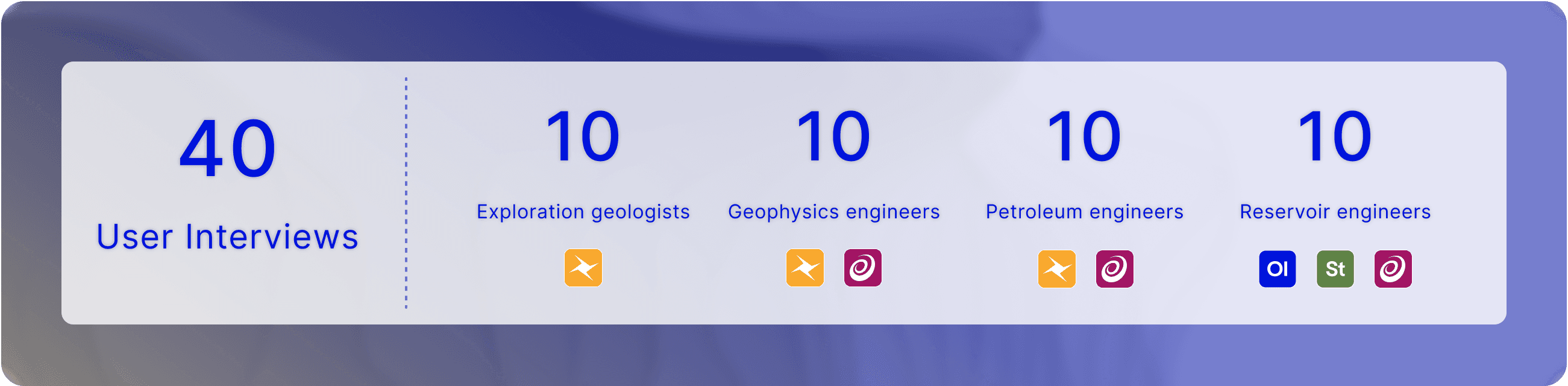
Persona

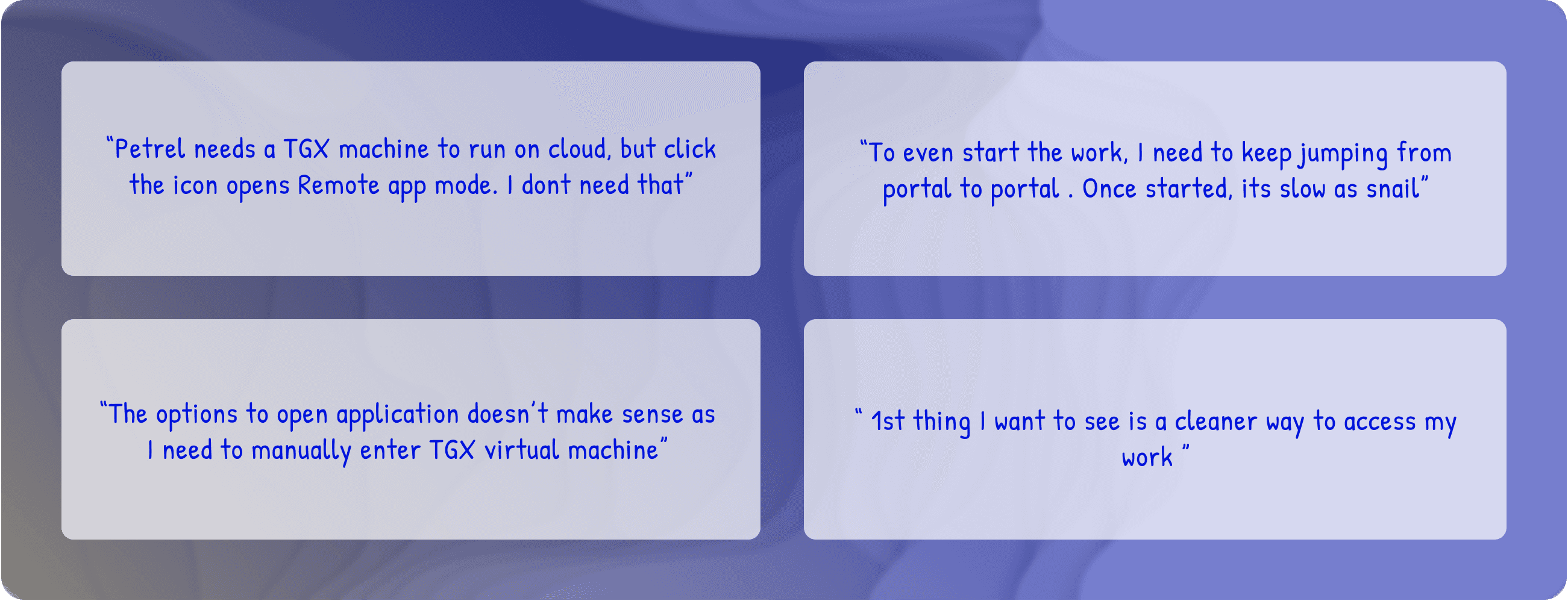
Representative user voices (synthesis from interviews)
Key Decisions
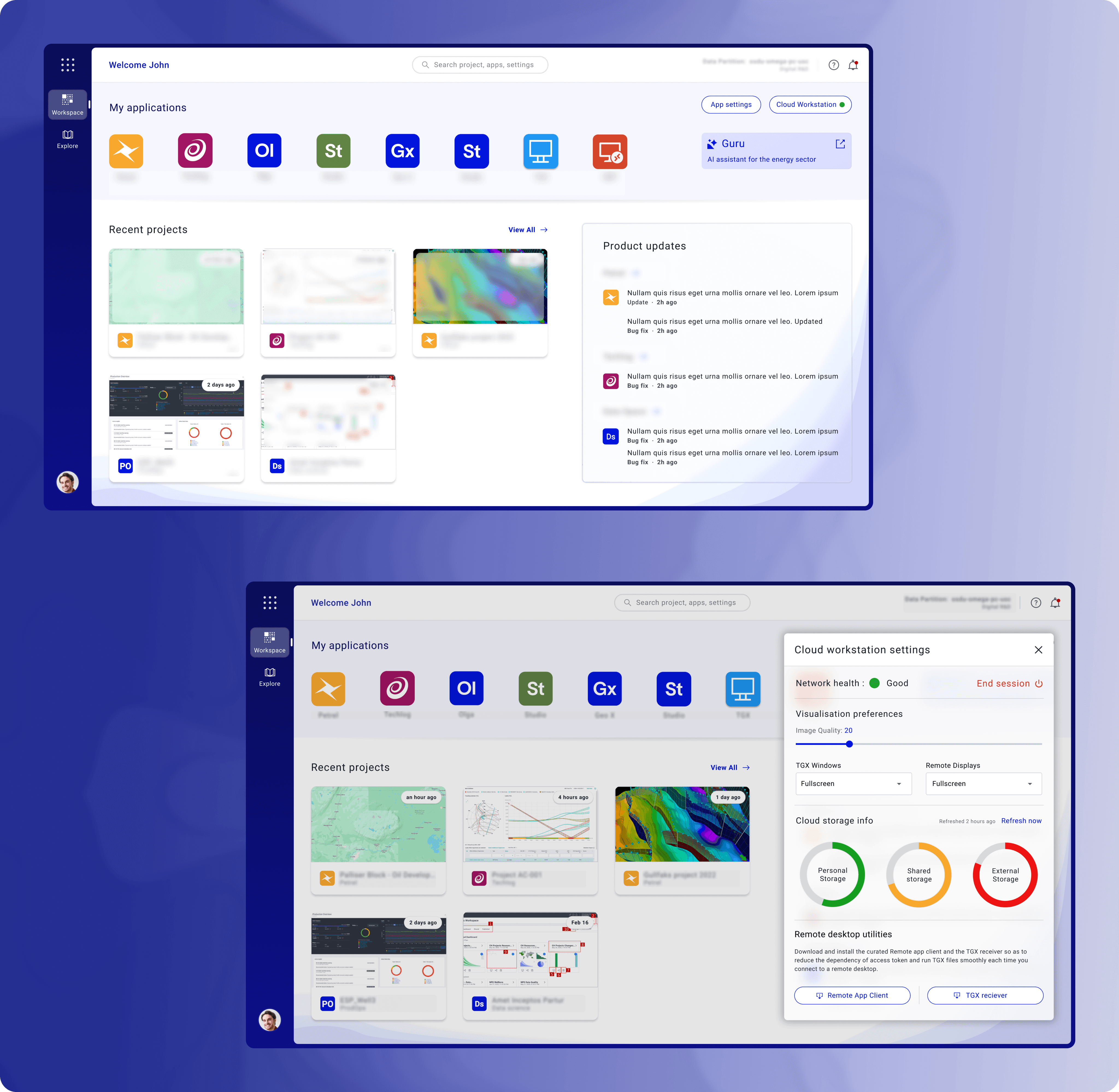
Decision 1 — Prioritize recent work visibility
Users needed immediate access to ongoing work.
I surfaced recent projects and key actions upfront to reduce time-to-task and improve re-engagement.
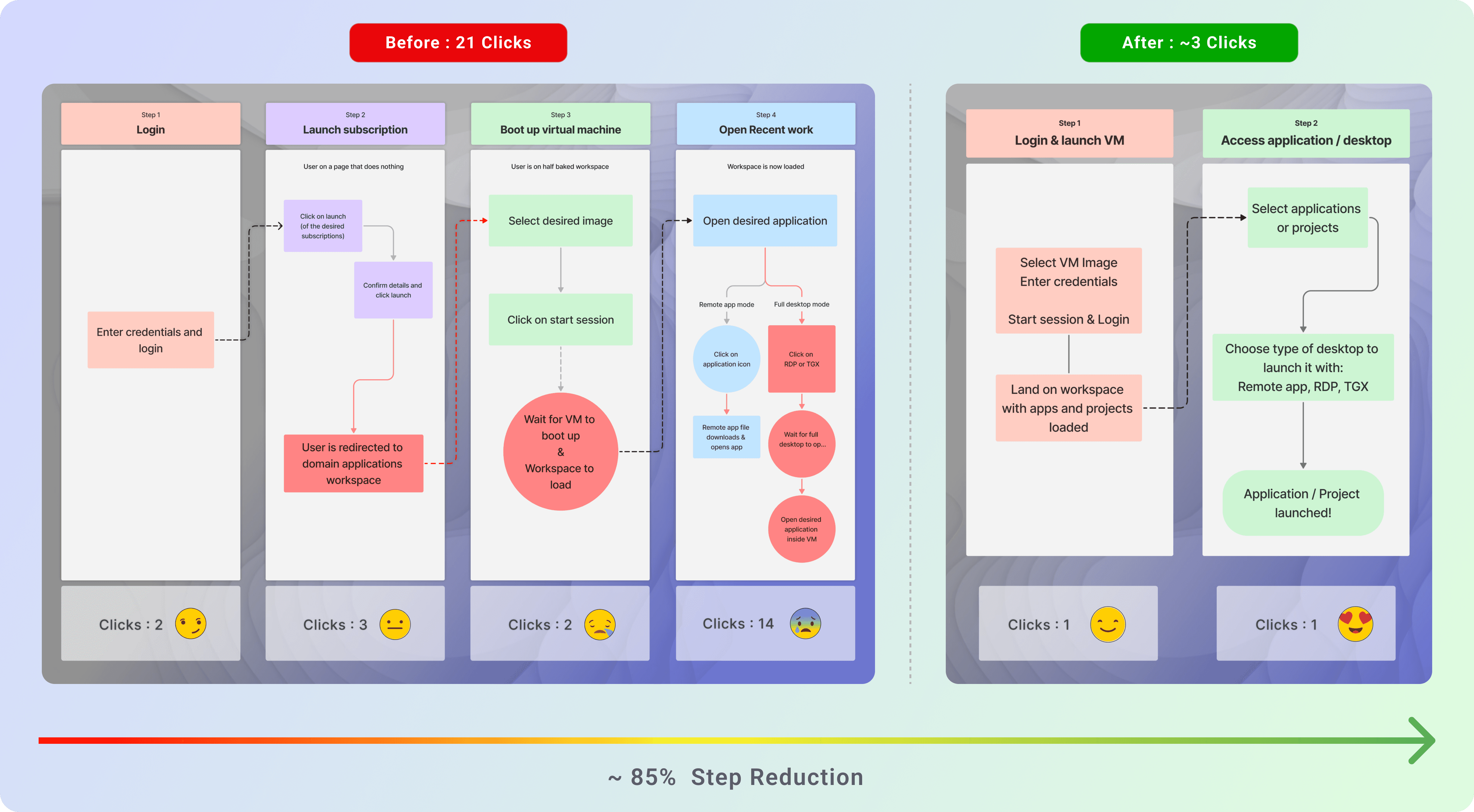
Decision 2 — Reduce click depth (21 → 3)
Decision 3 — Prioritize high-frequency actions in the layout
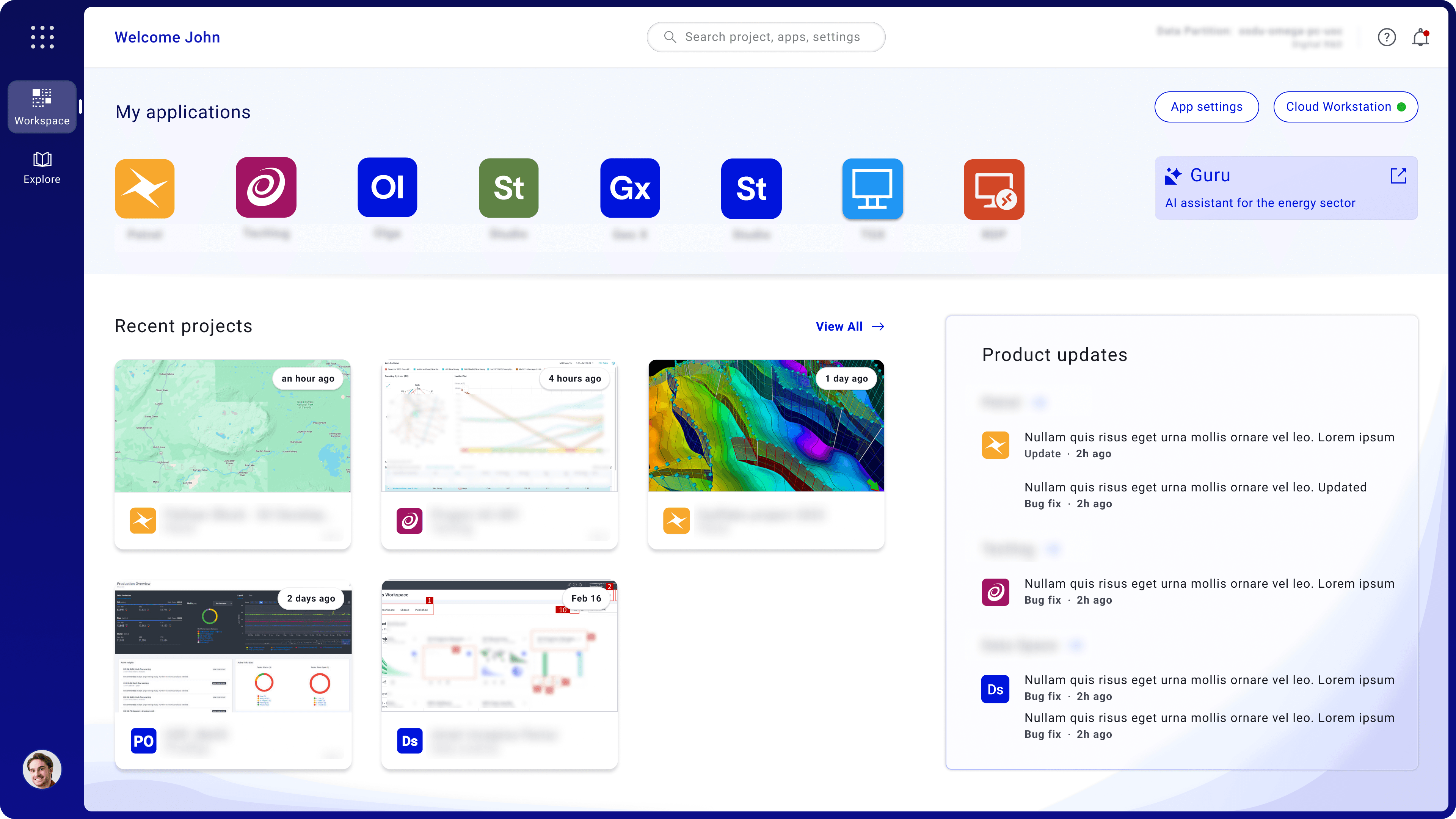
I reorganized the workspace so the most frequent actions appear first—recent projects, app access, and session controls.
This reduced search time, lowered cognitive load, and helped users complete core tasks faster.
Decision 4 — Improve system-state visibility
Users lost confidence when status signals were unclear.
I introduced clear indicators for health/state to improve trust and reduce uncertainty during execution.
Validation
Usability validation showed higher task success and lower assisted completion after redesign.
Users completed core actions faster with fewer errors and lower perceived effort.
Business Impact
The redesign converted a flat adoption trend into measurable growth.
It improved both user experience and business outcomes in a short post-launch window.
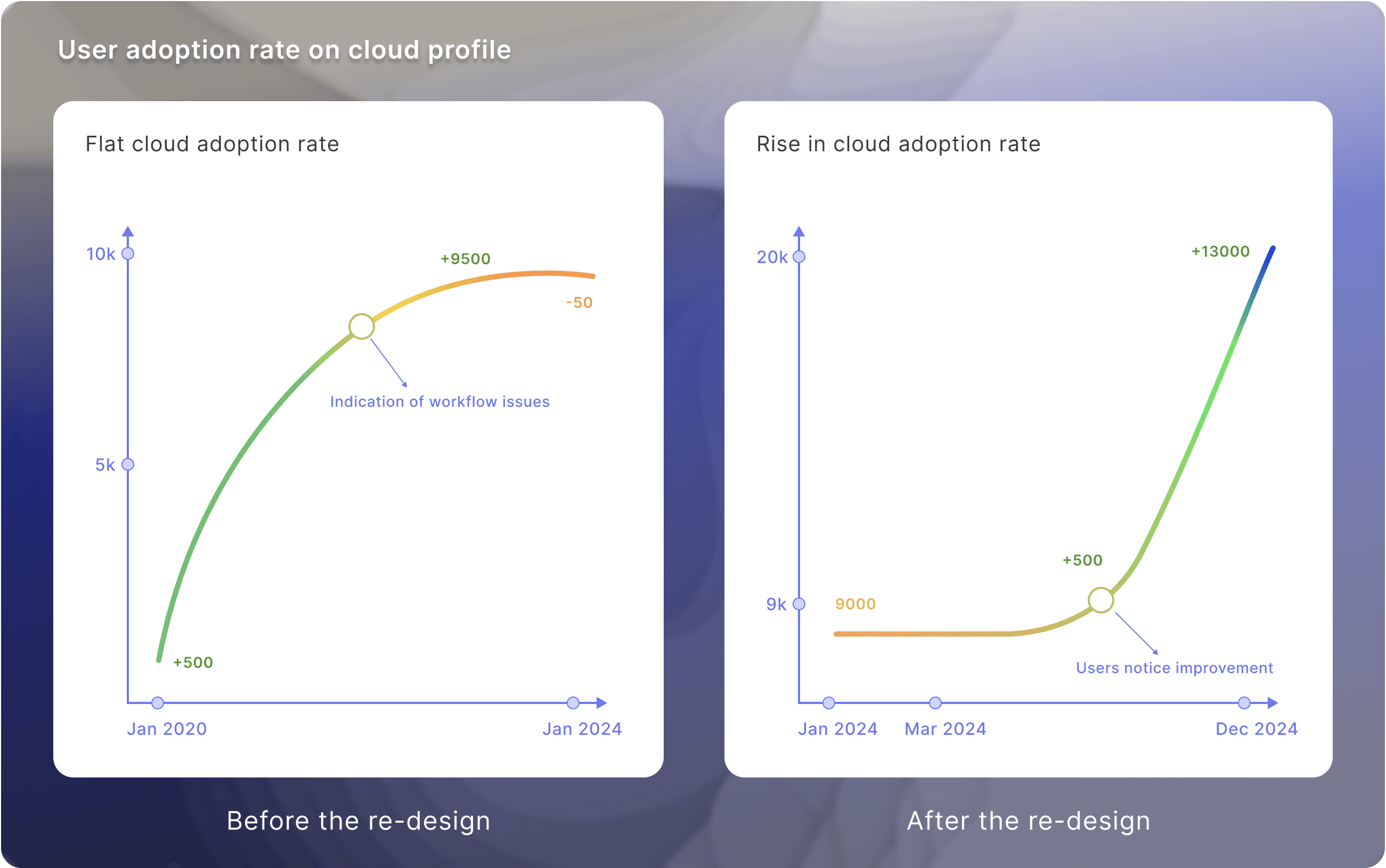
Within 6 months, our team onboarded ~3,000 new customers.
+67% increase in active product adoption
+80% increase in user satisfaction
21 → ~3 clicks in core workflow execution
Final Shipped Experience
The final workspace reduced friction while preserving enterprise-grade capability.
It enabled faster onboarding, clearer actions, and more confident daily usage.
What I’d Improve Next
Personalize workspace modules by role and frequency of use
Add guided in-product onboarding for first-week success
Expand instrumentation to track retention by workflow type
This redesign proved that simplifying enterprise workflows can directly drive adoption, satisfaction, and scalable growth.